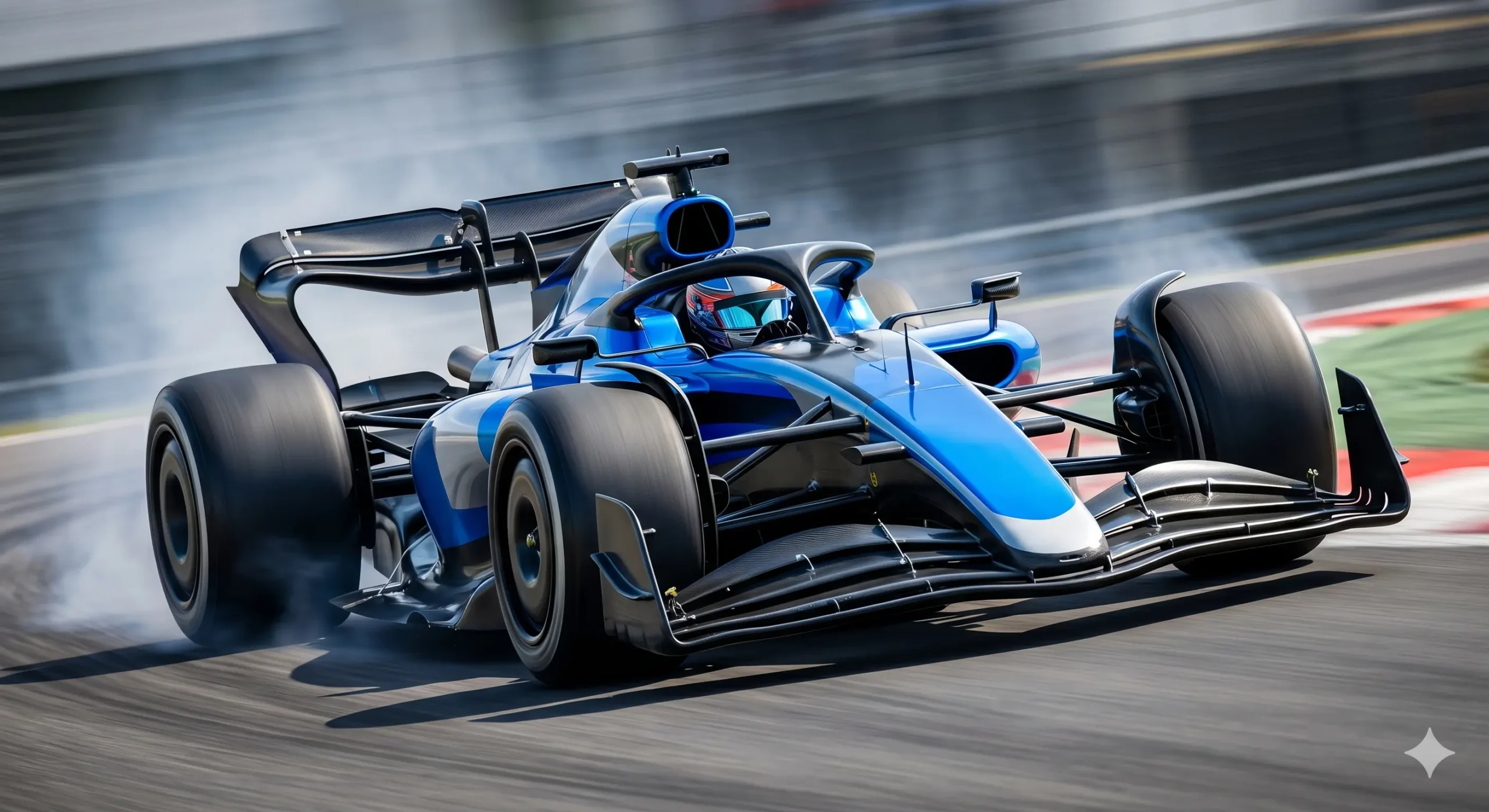
Formula 1’s highly anticipated 2026 engine regulations are officially in action. Discover how the shift to 100% sustainable fuels and advanced hybrid power is changing the world championship.
PARIS, FRANCE — The 2026 FIA Formula One World Championship has officially entered its most transformative era in over a decade. With the first few races of the season now complete, the highly anticipated rollout of the new 2026 power unit regulations has delivered thrilling on-track action, completely shaking up the traditional competitive order of the grid.
The new rules represent a monumental shift for international motorsport, focusing heavily on environmental sustainability and road-relevant hybrid technology without sacrificing the extreme speeds that define the sport.
The 2026 Power Unit Revolution
For years, the engineering teams at Mercedes, Ferrari, Renault, Honda, and the newly entered Audi have been preparing for this exact moment. The 2026 power units have stripped away complex and expensive components like the MGU-H (Motor Generator Unit – Heat) while vastly increasing the electrical output.
- 50/50 Power Split: The new engines mandate a nearly 50/50 power distribution between the internal combustion engine (ICE) and the electrical battery system, requiring drivers to be highly strategic with their energy deployment during overtakes.
- 100% Sustainable Fuels: In a major win for global environmental goals, all Formula 1 cars are now running on 100% fully sustainable, synthetic “drop-in” fuels, drastically reducing the carbon footprint of the racing events.
Active Aerodynamics Add New Strategy
Alongside the engine changes, 2026 introduced “Active Aerodynamics.” This allows drivers to manually adjust both the front and rear wings on straightaways to reduce drag and increase top speed, replacing the traditional DRS (Drag Reduction System) zones.
This has resulted in closer wheel-to-wheel combat, as trailing cars can aggressively close the gap, while defending cars must rely entirely on precise braking and cornering grip to hold their positions.
A Shaken-Up World Championship Standings
The massive reset in technical regulations has successfully leveled the playing field, exactly as the FIA intended. Teams that dominated the early 2020s are now finding themselves locked in fierce battles with midfield teams who nailed the new aerodynamic concepts.
The entrance of new automotive manufacturers—including Audi’s official debut as a works team and Ford’s partnership with Red Bull Powertrains—has added massive corporate prestige and high-stakes rivalry to the paddock.
Summary of Major Takeaways
- New Era Begins: The 2026 Formula 1 season kicks off with the most significant engine and aerodynamic rule changes in modern history.
- Green Racing: All vehicles now operate on 100% fully sustainable synthetic fuels.
- Hybrid Focus: The power output is now split equally between traditional combustion and advanced electrical systems.
- Active Aero: Traditional DRS has been replaced by active front and rear wings, creating more dynamic overtaking opportunities.
- Grid Shakeup: The regulation reset has closed the performance gap, resulting in highly unpredictable and competitive early-season races.
As the global tour moves toward the European leg of the calendar, teams will be locked in an aggressive development race, bringing constant upgrades to master this revolutionary new formula.